Move With Confidence
Master Your Step brings movement back to the basics.
Learn how to build strength, balance, mobility and confidence through movements you already use every day.
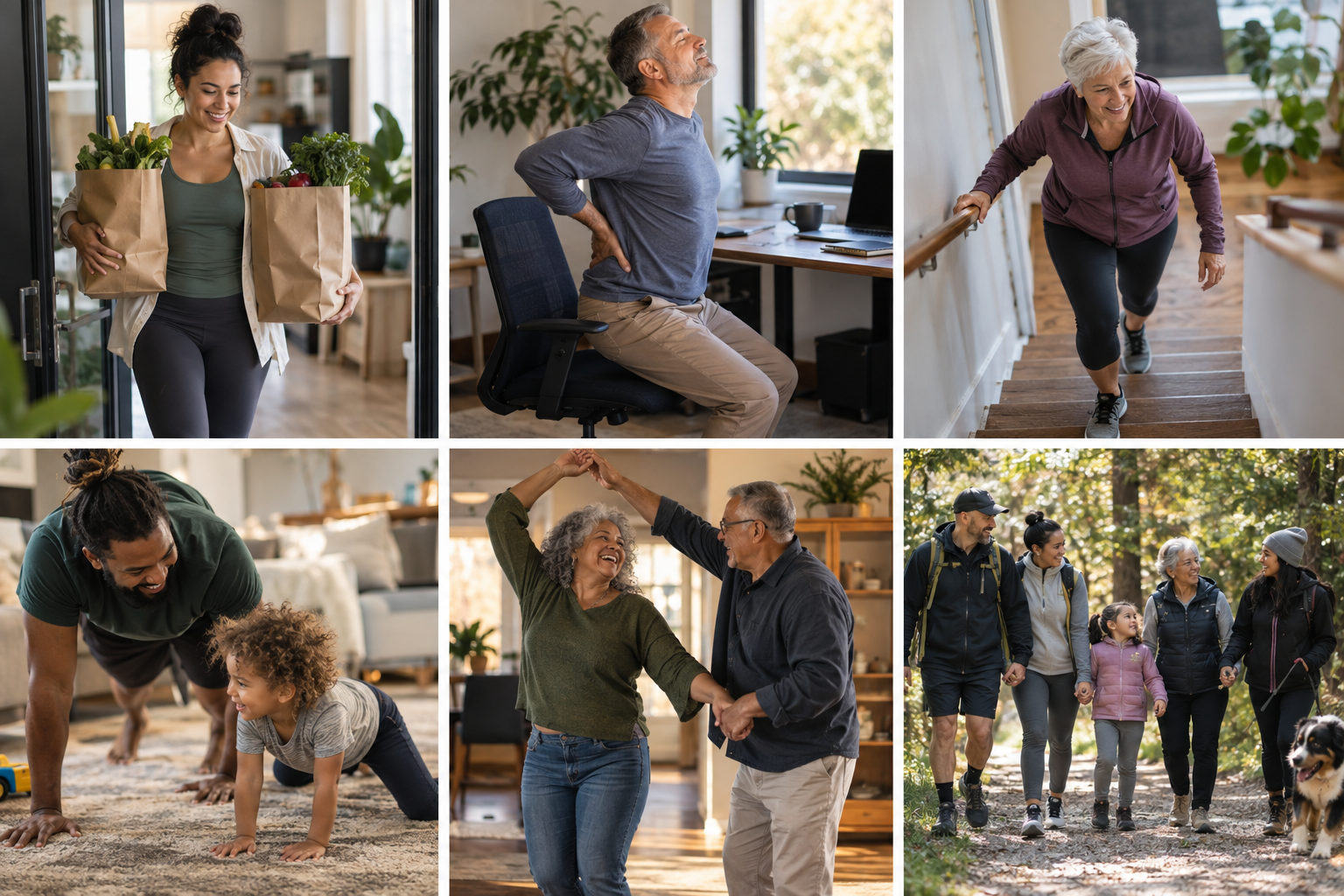
Using your home and the things already around you, we’ll work together to make everyday tasks, from climbing stairs and carrying groceries to reaching, bending and getting back up, feel more comfortable and familiar.
You don’t need to move like you used to.
You need to feel confident in how you move today.
Learn
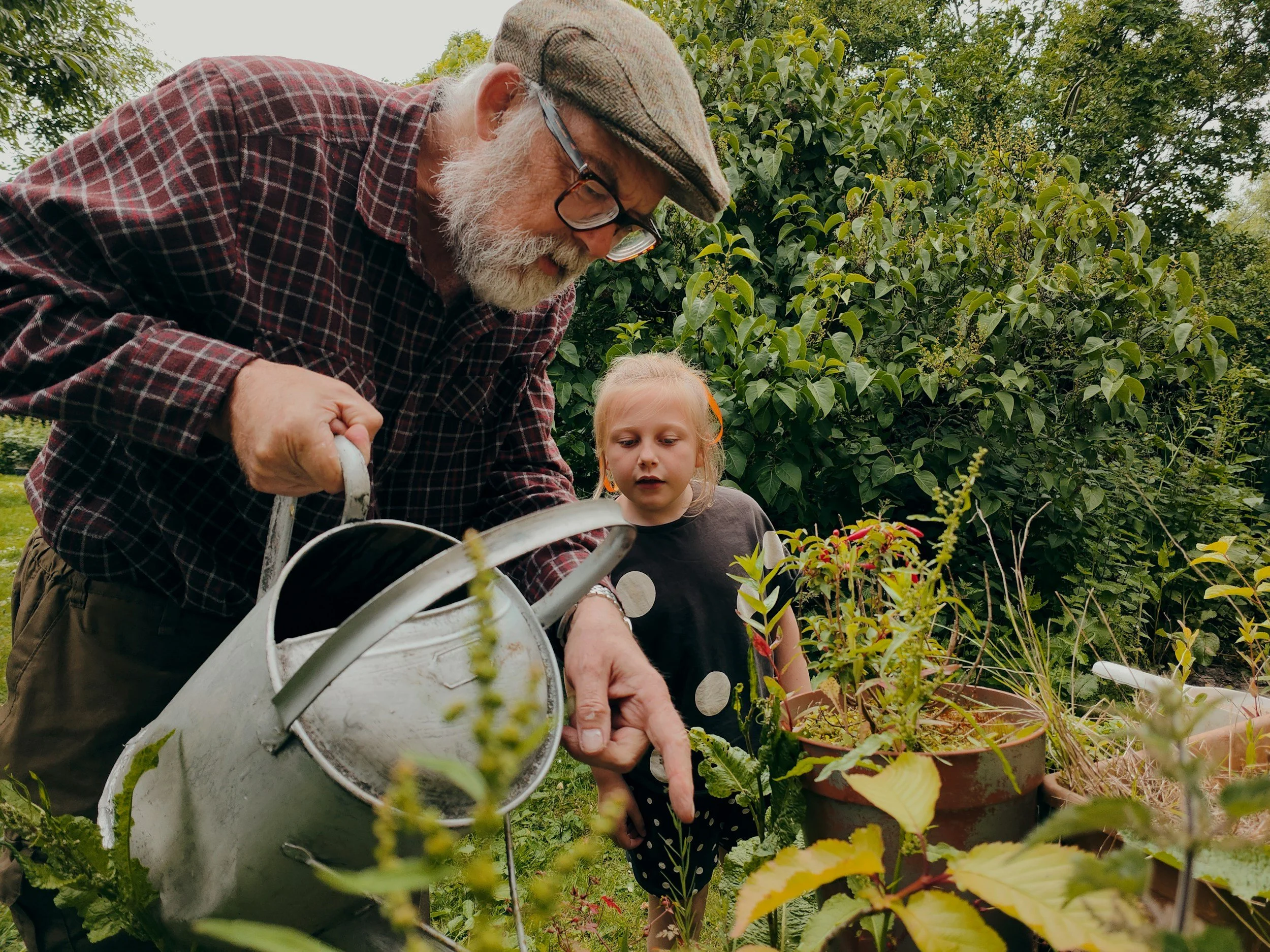
Understand how and why your body moves the way it does through everyday tasks. Break movements down, recognize what your body needs, and reconnect with your mind-body awareness.
Build
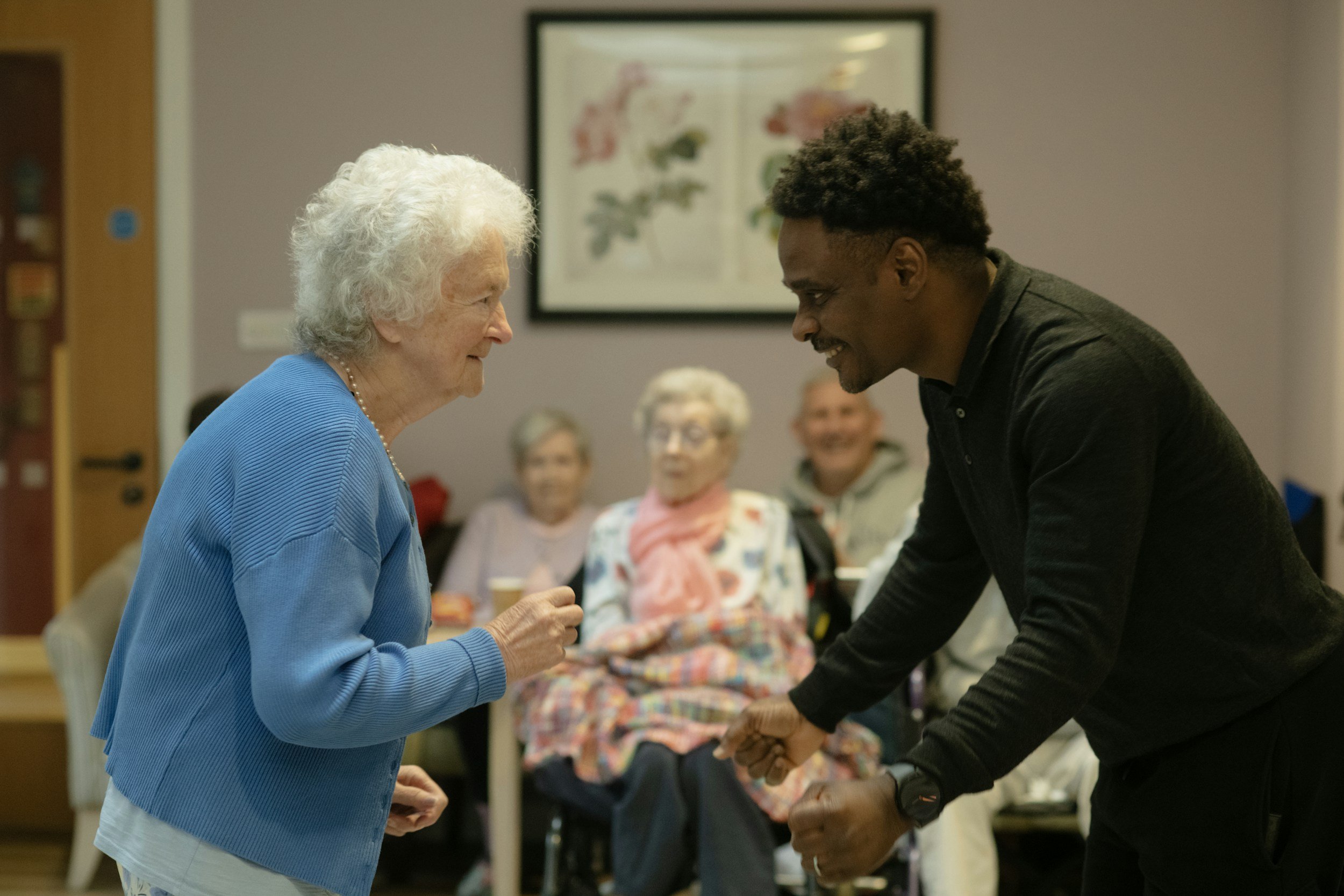
Develop the strength, mobility, balance and control needed to support those movements. Practise using familiar spaces and tools already found in your home.
Master
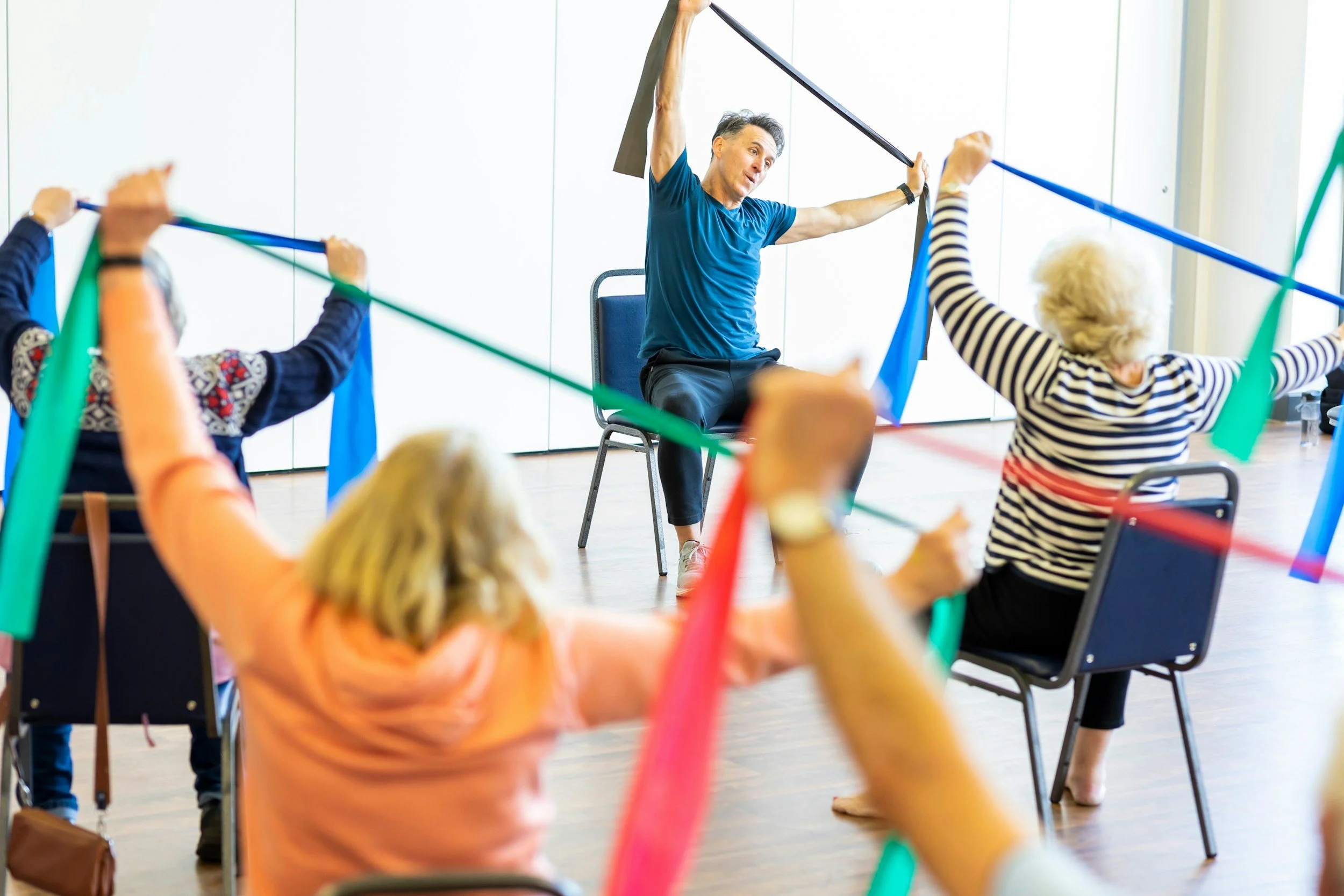
Put it all together through repetition and real-life movement. Build confidence in your abilities so everyday tasks feel more natural, familiar and achievable.
What’s Included List
Master Your Step is designed to progress with you.
The program is divided into 4, 8, and 12 week stages, with each stage building on the one before it. As you progress, movements will gradually introduce more strength, mobility, stability, balance and coordination while increasing in complexity.
Along the way, you’ll develop a better understanding of your own body mechanics, range of motion and stability, helping you recognize what your body is capable of today, and where there is room to improve.
Movements will include options for modification, additional support and different ability levels, so you can work within your current comfort and capability rather than feeling like you need to keep up with someone else.
The goal is not to rush through each stage.
Learn the movement. Build the foundation. Master it with confidence.
-
Discover what you already have.
Take a look around your home and identify everyday items, furniture and spaces that can support your movement. Stairs, countertops, chairs, walls and even your bed can become useful tools for building strength, mobility and confidence. -
Understand how your space works for you.
Look at where you move most often and what everyday movements you want to make easier. Do you use stairs daily? Have a sturdy chair nearby? Need support when getting up and down? This helps you choose the exercises, modifications and tools that make the most sense for your home and your current ability. -
Set up your space for success.
You don't need to redesign your home. Moving a chair, clearing a little floor space or choosing the right stair or countertop may be all you need. Create a simple, safe setup that makes it easier to follow your Step program consistently.
Advance Together: The Collective Learning Series
-
Learn Your Step
Week 1 - 4
We’ll break down each exercise and stretch into clear, manageable steps so you can understand how your body moves. Longer breaks between circuits, giving your body time to rest with these unfamiliar movements. Also giving you time to learn what comes next. We’ll also show ways to adjust movements for different abilities and conditions, helping you build confidence at your own pace.
-
Build Your Step
Week 5 - 8
You’ve had time to get familiar with the basic movements. Now we’ll build on them by adding short holds and gentle pulses. These small changes help you strengthen your muscles and practise staying steady as you move. You’ll still have options to adjust each exercise, so you can progress at a pace that feels right for you.
-
Master Your Step
Week 9 - 12
Look how far you’ve come! You’ve built a foundation, learned the movements, and discovered more of what your body can do. Now we’ll link familiar exercises into gentle sequences that keep you moving and gradually raise your heart rate. You can take breaks or adjust the pace whenever you need to.
-
A previous injury or joint replacement may change how your body moves, but strengthening the surrounding muscles and maintaining movement can still be important. You may have physical limitations, or simply need time to rebuild confidence with certain movements. Your two sides don't have to look or perform exactly the same, and you should never feel pressured to force them to.
If you have medical restrictions or are unsure whether a movement is appropriate for you, follow the guidance of your healthcare provider.
-
Before beginning, you'll have an introductory lesson explaining what you may experience when learning movements your body isn't used to. We'll discuss body awareness, discomfort, fatigue and signs that it's time to stop, modify or take a break. The goal isn't to teach you to ignore what you're feeling, it's to help you become better at listening to your body.
-
Your home is your equipment. Chairs, stairs, beds, walls and countertops can all become tools for movement. As you progress, you'll also see options for adding weight or resistance when you're ready for an additional challenge.
-
Master Your Step is designed for different ages and abilities, with modifications for additional support and options for an added challenge. The goal is to remind us what our bodies are capable of, explore the ranges of motion our bodies are designed for, and build the strength, balance and confidence to use those movements in everyday life.
-
This program is structured to work with different levels of athleticism and experience. Whether you're starting for the first time or have been active your whole life and simply want a new direction for your mobility, you'll learn how to use your own body weight to understand movement. You'll also learn ways to assist a movement when needed or challenge it when you're ready.
3. What if I can’t do a movement or get down on the floor?
You don't need to get on the floor to build functional strength. This program uses everyday surfaces such as chairs, stairs, countertops and even your bed to support your movements. Your bed can also provide a raised surface to practise movements such as getting up and down with greater control and confidence.
4. What if I have an old injury, joint replacement or physical limitation?
A previous injury or joint replacement may change how your body moves, but strengthening the surrounding muscles and maintaining movement can still be important. You may have physical limitations—or simply need time to rebuild confidence with certain movements. Your two sides don't have to look or perform exactly the same, and you should never feel pressured to force them to.
If you have medical restrictions or are unsure whether a movement is appropriate for you, follow the guidance of your healthcare provider.
5. How do I know if something is challenging versus something I should stop doing?
Before beginning, you'll have an introductory lesson explaining what you may experience when learning movements your body isn't used to. We'll discuss body awareness, discomfort, fatigue and signs that it's time to stop, modify or take a break. The goal isn't to teach you to ignore what you're feeling—it's to help you become better at listening to your body.
6. Do I need equipment, stairs or a lot of space?
Your home is your equipment. Chairs, stairs, beds, walls and countertops can all become tools for movement. As you progress, you'll also see options for adding weight or resistance when you're ready for an additional challenge.
7. How much time do I need, and what happens if I miss a day or week?
Master Your Step is designed around 3–4 active days per week, but your progress happens on your schedule. Miss a day? Take the time you need. You can also repeat a workout or cycle before progressing if it still feels challenging or you simply want more practice.
8. How will I know when I’m ready to progress?
Progress happens when you feel ready. You'll have a structured schedule to follow, but it isn't a race. If life gets busy, you need additional recovery, or you'd like to repeat a section, your course will still be there when you're ready to return. Lessons unlock as you complete the program so you can build on what you've already learned.
9. What makes Master Your Step different from a regular online workout?
Master Your Step combines my experience as a high-level and fundamentals coach, former competitive athlete and Registered Massage Therapist with my passion for helping people feel confident in their bodies.
This isn't only about completing a workout. It's about understanding the fundamentals of movement and recognizing how they already exist in everyday life—from getting out of bed and climbing stairs to carrying groceries, reaching, bending, balancing and playing with family.
Learn the movement. Build the foundation. Master it with confidence.
One small strategic change: I wouldn't say “all ages and abilities” unless you truly intend to accept children and people with essentially any level of physical disability into the program. “Different ages and abilities” or “a wide range of ages and abilities” gives you the inclusive message you want without making an absolute promise that may be difficult to support.
-
You don't need to get on the floor to build functional strength. This program uses everyday surfaces such as chairs, stairs, countertops and even your bed to support your movements. Your bed can also provide a raised surface to practise movements such as getting up and down with greater control and confidence.
-
Master Your Step is designed around 3–4 active days per week, but your progress happens on your schedule. Miss a day? Take the time you need. You can also repeat a workout or cycle before progressing if it still feels challenging or you simply want more practice.
-
Progress happens when you feel ready. You'll have a structured schedule to follow, but it isn't a race. If life gets busy, you need additional recovery, or you'd like to repeat a section, your course will still be there when you're ready to return. Lessons unlock as you complete the program so you can build on what you've already learned.
-
Master Your Step combines my experience as a high-level and fundamentals coach, former competitive athlete and Registered Massage Therapist with my passion for helping people feel confident in their bodies.
This isn't only about completing a workout. It's about understanding the fundamentals of movement and recognizing how they already exist in everyday life. From getting out of bed and climbing stairs to carrying groceries, reaching, bending, balancing and playing with family.
Learn the movement. Build the foundation. Master it with confidence.